When choosing a THC beverage, one of the most fundamental decisions is whether to go carbonated or flat. This choice affects not only taste and mouthfeel but potentially also absorption speed, onset time, and overall consumption experience. While the differences may seem subtle, understanding how carbonation interacts with THC and your body helps you make informed choices that align with your preferences and goals. This guide examines every aspect of the carbonated versus flat THC drink debate.
The Carbonation Landscape
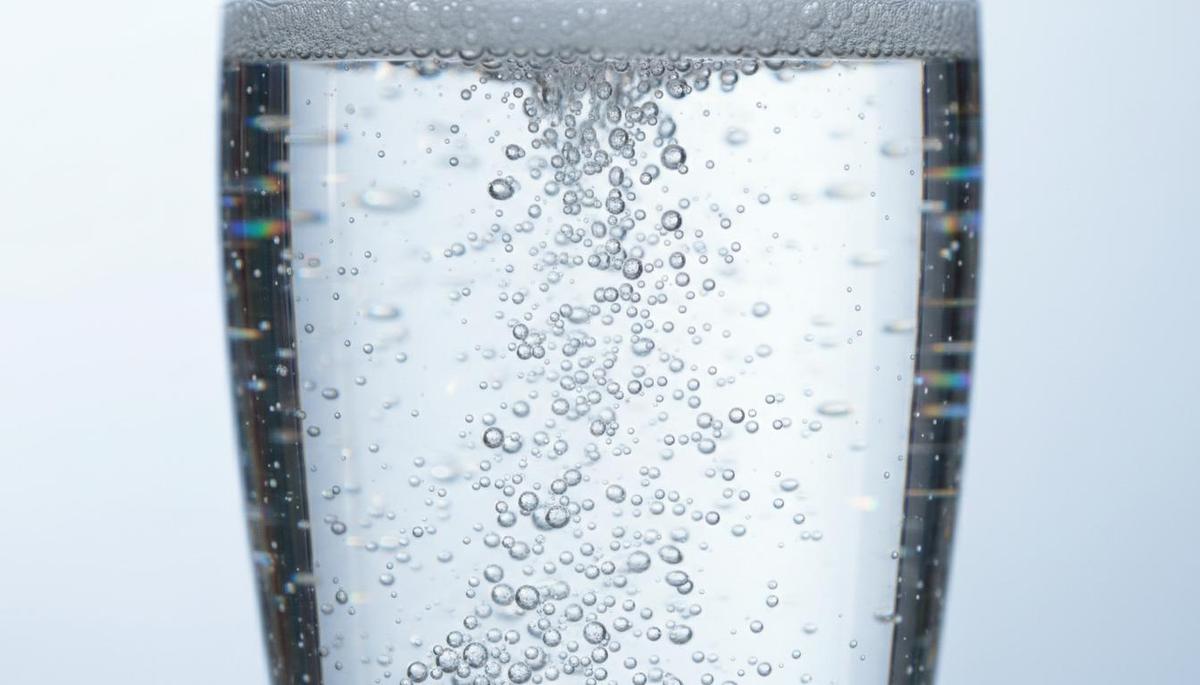
The THC beverage market offers products across the full carbonation spectrum. Highly carbonated options include THC seltzers and sparkling sodas with aggressive, abundant bubbles. Moderately carbonated products encompass most THC sodas, craft cannabis beverages, and some tonics. Lightly carbonated options include THC tonics, some cannabis cocktails, and specialty beverages with just a hint of fizz. Flat or still THC drinks include THC-infused waters, juices, teas, coffees, and non-carbonated functional beverages.
How Carbonation Affects THC Absorption
Faster Gastric Emptying
Research on non-cannabis beverages suggests that carbonation may increase gastric emptying rate, the speed at which liquid moves from your stomach into your small intestine. Faster gastric emptying means THC reaches your intestinal lining and liver more quickly, potentially leading to earlier onset of effects. While research specifically on THC beverages remains limited, anecdotal consumer reports consistently suggest that carbonated THC drinks take effect 5 to 15 minutes faster than equivalent flat beverages.
Mucosal Irritation Enhances Absorption
The mild irritation caused by carbonic acid (formed when CO2 dissolves in water) may slightly increase permeability of mucous membranes in the mouth and throat. This enhanced permeability could theoretically allow marginally more sublingual and mucosal THC absorption before the beverage even reaches your stomach. The effect is likely small but may contribute to the slightly faster onset that many consumers report with carbonated options.
Volume and Consumption Speed
Carbonated beverages are often consumed more slowly than flat drinks because the fizz fills you up faster and requires more pausing between sips. Slower consumption means more extended time for oral mucosal absorption as the liquid passes through your mouth over a longer period. Flat beverages, especially smooth ones like juices, can be consumed quickly, potentially reducing mucosal absorption time.
Carbonation and Onset Time
While individual responses vary, many consumers report that carbonated THC beverages produce noticeable effects 5 to 15 minutes sooner than flat equivalents. A flat THC juice might take 25 to 35 minutes for initial effects, while a carbonated THC seltzer of the same dose might take 15 to 25 minutes. This difference is not dramatic but can be meaningful if you're timing your consumption for a specific event or experience.
Taste and Sensory Experience
The Appeal of Carbonation
Carbonation adds sensory interest that flat beverages lack. The bubbles create a tingling sensation on the tongue, an audible fizz when opening containers, and a visual appeal from effervescence. These sensory elements make drinking more engaging and satisfying. The slight acidity from carbonic acid enhances certain flavor profiles, particularly citrus and fruit flavors. Many consumers find carbonated beverages more refreshing, especially in warm weather or after physical activity.
The Appeal of Flat Beverages
Flat THC drinks offer their own advantages. Without carbonation, subtle flavor nuances are more apparent since bubbles don't compete for attention on the palate. Flat beverages feel smoother and gentler, making them easier to consume quickly if desired. Some consumers find flat drinks more soothing to the stomach, particularly those sensitive to carbonation's bloating effects. Flat THC teas, coffees, and juices integrate seamlessly into meal occasions in ways that fizzy drinks sometimes don't.
Physical Comfort Considerations
Bloating and Gas
Carbonation introduces gas into your digestive system, which can cause bloating, belching, and mild discomfort for some individuals. This effect is more pronounced with highly carbonated beverages and when consuming multiple cans. If you're prone to digestive sensitivity, flat THC drinks may be more comfortable, especially if consuming higher volumes.
Stomach Sensitivity
The acidity from carbonation may irritate sensitive stomachs or exacerbate conditions like acid reflux. While the effect is milder than acidic sodas like cola, highly carbonated THC drinks on an empty stomach can cause discomfort for some consumers. Flat alternatives are gentler for those with stomach sensitivities.
Social and Situational Factors
Party and Social Settings
Carbonated THC beverages feel festive and celebratory, making them natural fits for parties, gatherings, and social occasions. The opening pop of a can, the visual fizz, and the refreshing quality align with the energetic atmosphere of social events. Flat THC drinks, by contrast, feel more subdued and contemplative, better suited for quiet evenings at home.
Meal Pairing
Flat THC beverages generally pair better with food because they don't compete with flavors or fill you up with gas. A flat THC iced tea complements dinner more naturally than a carbonated THC soda that might cause bloating during a meal. Carbonated options work best as pre-meal aperitifs or post-meal refreshments rather than during the meal itself.
Hydration and Exercise
For THC consumption during or after physical activity, flat beverages may be more practical. Carbonation can cause stomach sloshing and discomfort during exercise. However, some athletes prefer the refreshing quality of light carbonation post-workout. This comes down to personal preference and individual tolerance.
Product Availability and Variety
Carbonated THC beverages significantly outnumber flat options in the current market. The vast majority of THC sodas and seltzers are carbonated. Flat options are growing but remain less common, typically including THC teas, some juices, infused waters, and coffee beverages. If you strongly prefer flat drinks, your selection will be more limited but expanding as manufacturers recognize this consumer segment.
Carbonation Level Preferences
Within the carbonated category, different products offer varying bubble intensity: aggressive carbonation like traditional seltzer water creates sharp, prominent bubbles; moderate carbonation like most sodas provides balanced fizz; and light carbonation like some craft tonics offers subtle effervescence. If you enjoy carbonation but find some products too fizzy, seek out lightly carbonated options. Conversely, if you love aggressive bubbles, THC seltzers with high carbonation levels will satisfy your preference.
The Verdict
The choice between carbonated and flat THC drinks ultimately comes down to personal preference, situational appropriateness, and individual digestive sensitivity. Carbonation may provide marginally faster onset and offers sensory appeal that many consumers love. Flat beverages provide smoother drinking, better food pairing, and gentler digestion. Neither is objectively superior. Many regular THC beverage consumers keep both types on hand, choosing carbonated options for social occasions and refreshment while preferring flat drinks for meals, relaxation, and sensitive stomach days. The beauty of the expanding market is that both options are increasingly available, letting you choose the right format for any given moment.