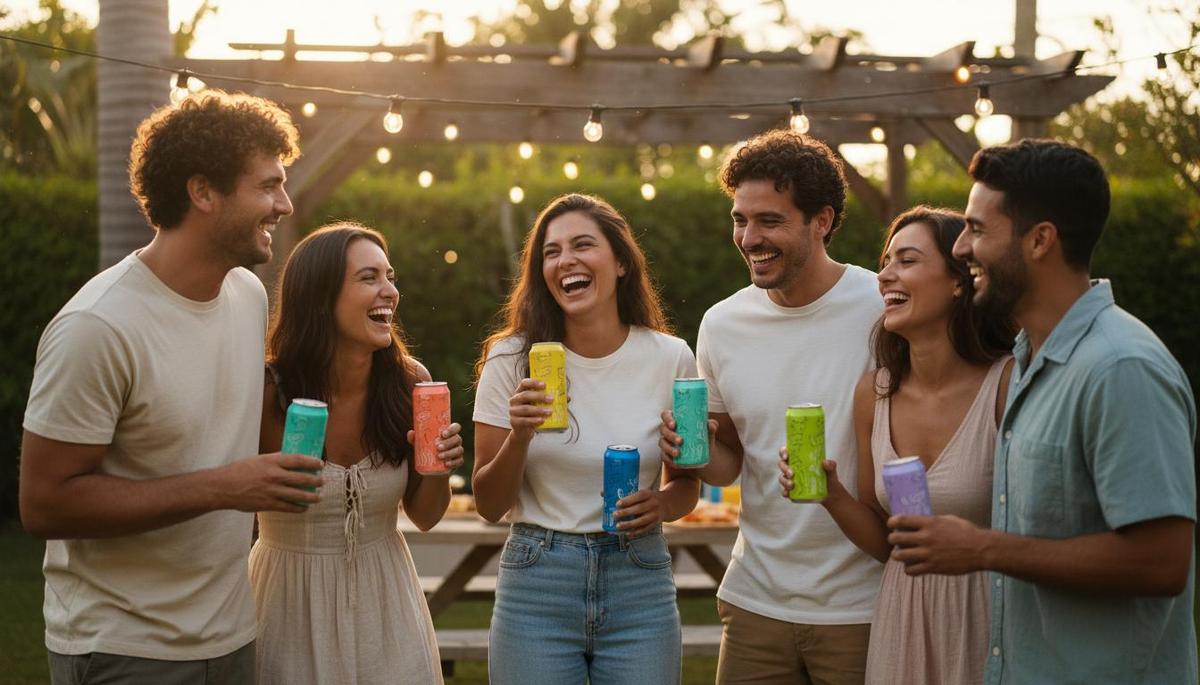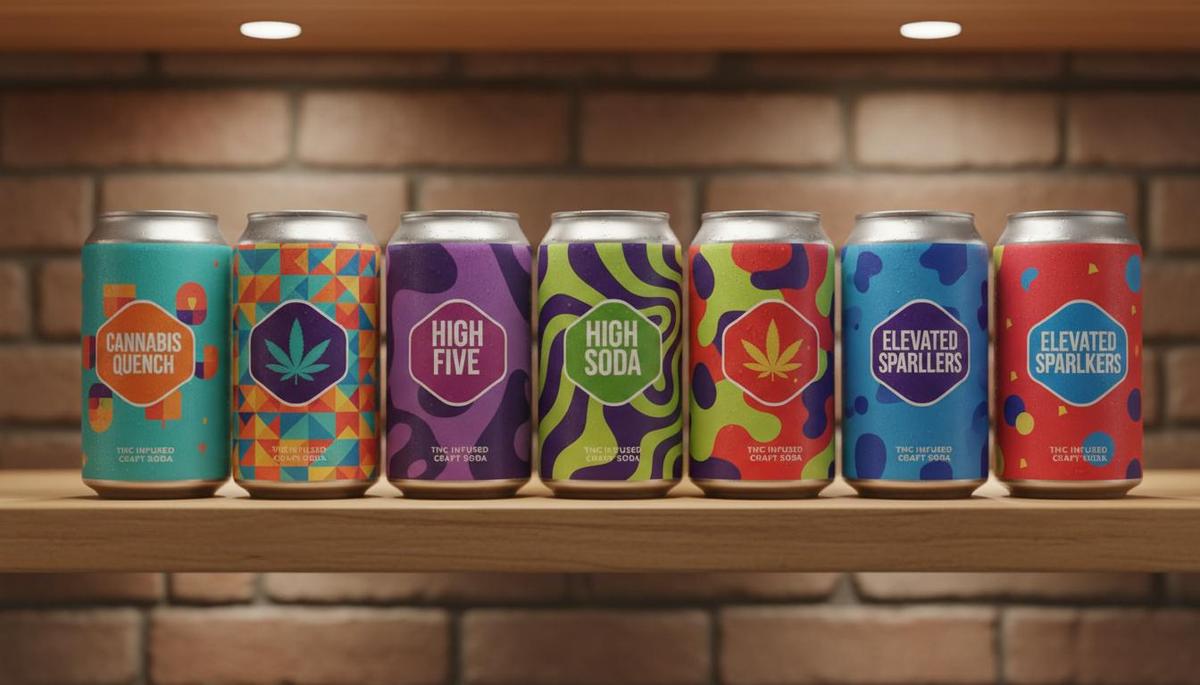
The THC beverage industry has experienced explosive growth since the 2018 Farm Bill, but we're still in the early innings. The next five years promise even more dramatic transformation as technology advances, regulations evolve, consumer acceptance deepens, and major corporations fully commit. This forward-looking analysis examines the most likely developments in the THC beverage space through 2030, from near-term innovations to potentially industry-redefining shifts.
Near-Term Predictions (2026-2027)
Federal Regulatory Clarity
The FDA will likely issue a regulatory framework for hemp-derived cannabinoids in food and beverages. This will establish dosing limits, labeling requirements, manufacturing standards, and marketing restrictions. While potentially burdensome, clarity will enable major food and beverage companies to enter the market confidently.
Major Soda Company Entry
Either Coca-Cola or PepsiCo (or both) will launch THC beverage lines, likely starting with CBD and expanding to low-dose THC. Their distribution networks would make THC beverages as widely available as regular soda within months of launch.
Fast-Food Chain Partnerships
Major fast-food chains will begin offering THC beverages alongside their regular drink menus in legal states, similar to how they currently serve beer in some locations. This would dramatically normalize THC consumption.
Improved Onset Technology
Beverages claiming 5-minute onset will become standard through advanced nano-emulsification and potentially buccal absorption enhancers. This near-instant gratification will make THC beverages even more competitive with alcohol.
Standardized Dosing
The industry will coalesce around standard serving sizes (likely 5mg and 10mg) with consistent labeling requirements. This standardization helps consumers compare products and dose reliably.
Mid-Term Predictions (2027-2029)
Federal THC Legalization
Comprehensive federal cannabis legalization becomes increasingly likely. If passed, this would: allow interstate commerce of THC beverages; enable national advertising; bring marijuana-derived products to mainstream retail; standardize regulations nationwide; and potentially open export markets.
THC Beverage Lounges
Cannabis consumption lounges (already emerging in some cities) will proliferate, offering curated THC beverage menus in social settings similar to bars. This creates new social venues and business models.
Personalized Formulations
Technology will enable personalized THC beverages based on individual genetics, tolerance, and desired effects. Consumers might answer a questionnaire or provide genetic data to receive custom-formulated products.
Functional Cannabis Dominance
Products combining THC with other functional ingredients (adaptogens, nootropics, vitamins) will overtake simple THC beverages in market share. Consumers will choose products for specific outcomes: energy, sleep, focus, relaxation, social ease.
Alcohol-Level Market Penetration
THC beverages will achieve 10-15% market share of the total adult beverage market in legal states. In some demographics (young adults, health-conscious consumers), market share could exceed 25%.
Advanced Packaging
Smart packaging with NFC tags will provide: instant access to lab results; dosing reminders; freshness indicators; and augmented reality experiences. Packaging becomes part of the product experience.
Long-Term Predictions (2029-2031)
Global Market Development
As more countries legalize cannabis, THC beverages will enter international markets. Canada, Mexico, Germany, and potentially the UK will develop significant markets. American brands will expand globally.
Beverage-First Cannabis Culture
For new consumers entering the cannabis market, beverages will become the default entry point, replacing smoking as the typical first experience. This demographic shift fundamentally changes cannabis culture.
Integration With Health Tech
THC beverages will integrate with wearables and health apps: tracking consumption and correlating with sleep data; providing personalized recommendations; and connecting with telehealth platforms for medical cannabis patients.
Sustainability as Standard
Environmental responsibility will become baseline expectation rather than differentiator. All major brands will use renewable energy, recyclable packaging, and sustainable sourcing.
Potential Disruptions
Several factors could dramatically alter these predictions: federal crackdown on hemp-derived THC would devastate the market; breakthrough in alternative cannabinoids could shift preferences; new research revealing health risks would slow growth; and economic recession could reduce discretionary spending on premium beverages.
Conclusion
The future of THC beverages is extraordinarily bright. From current niche status, the category is on track to become a major segment of the adult beverage industry within five years. Federal clarity, corporate investment, technological innovation, and shifting consumer preferences all point toward massive continued growth. For consumers, this means ever-better products at lower prices with more sophisticated effects. For entrepreneurs, enormous opportunities exist at every level of the value chain. The THC beverage revolution is just getting started.