One of the most common questions from new THC drink consumers is about timing. Unlike smoking where effects are felt within seconds, THC beverages follow a different metabolic pathway that creates a unique timeline of onset, peak, and duration. Understanding this timeline is essential for planning your consumption and avoiding the common mistake of over-consuming because you think the first dose isn't working.
The Science of THC Drink Absorption
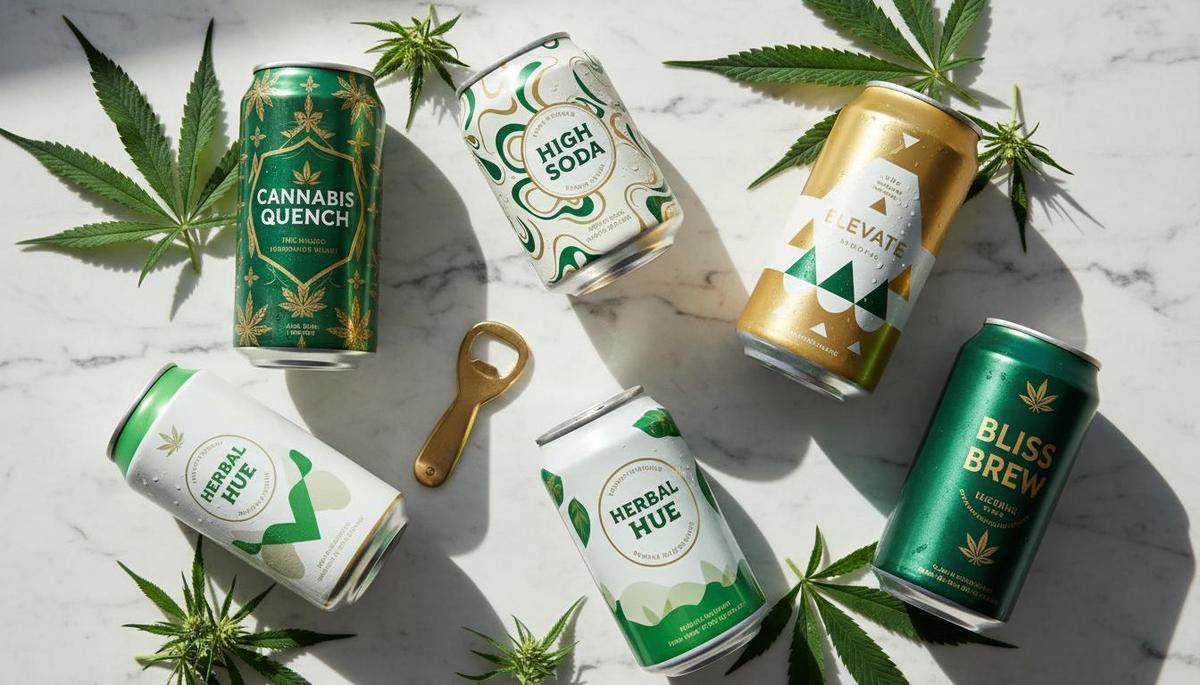
THC beverages use nano-emulsification technology to create water-compatible THC particles. When you drink a THC soda or seltzer, absorption begins almost immediately through the soft tissues in your mouth, throat, and esophagus. This sublingual and mucosal absorption allows some THC to enter your bloodstream directly, bypassing the digestive system and liver initially. However, the majority of the THC travels to your stomach and then to your liver, where it undergoes first-pass metabolism. The liver converts delta-9-THC into 11-hydroxy-THC, a metabolite that is significantly more potent and longer-lasting than the original compound. This metabolic conversion is why edible and drinkable THC often feels more intense than inhaled THC at equivalent doses.
The Complete Timeline
0-10 Minutes: The Waiting Period
During the first 10 minutes after consumption, you likely won't feel any noticeable effects. The THC is being absorbed through your oral mucosa and beginning its journey through your digestive system. Some highly sensitive individuals might detect the faintest hint of relaxation or a barely perceptible mood shift, but for most people, this period feels completely normal. Use this time to get comfortable, prepare snacks and water, and settle into whatever activity you've planned.
10-20 Minutes: First Sensations
For many users, particularly those consuming on an empty stomach or those with fast metabolisms, the first subtle effects begin to emerge during this window. You might notice a slight relaxation in your shoulders and neck, a gentle elevation in mood, or a subtle shift in how you perceive your surroundings. Colors may seem slightly more vivid, music might sound a bit richer, and you may feel a mild sense of well-being. These early effects are typically very mild and pleasant.
20-45 Minutes: Building Effects
This is when most people begin feeling clear effects from their THC drink. The relaxation deepens, spreading throughout your body. Euphoria becomes more pronounced, and sensory enhancement grows more noticeable. You might find yourself smiling more easily, laughing at things that normally wouldn't seem as funny, and feeling more engaged with whatever you're doing. Cognitive effects begin to emerge, including slightly altered time perception and enhanced creative thinking.
45-90 Minutes: Approaching Peak
Effects continue to intensify through this period as more THC is absorbed and metabolized. For most consumers, the experience becomes fully immersive during this window. Physical relaxation is substantial, mental stress dissolves, and the euphoric qualities are at their most enjoyable. This is typically the period when you feel "high" in the most recognizable sense. Your perception of time may be noticeably altered, with minutes feeling longer or shorter than they actually are.
90-120 Minutes: The Peak
Most users experience peak effects somewhere between 90 minutes and 2 hours after consumption. At this point, the concentration of THC and its metabolites in your bloodstream reaches its maximum level. The intensity of effects depends heavily on your dose, tolerance, body chemistry, and the specific product consumed. A well-chosen dose at peak should feel thoroughly enjoyable, relaxing, and engaging without being overwhelming.
2-4 Hours: Gradual Decline
After reaching peak intensity, effects begin a gradual decline. This descent is typically slow and smooth, unlike the relatively abrupt comedown from alcohol or caffeine. You will gradually feel yourself returning to baseline, though a pleasant afterglow of relaxation and contentment often persists. Many users find this phase particularly enjoyable as the most intense effects soften while the positive mood enhancement remains.
4-6 Hours: Return to Baseline
By the 4 to 6-hour mark, most users have returned to their normal mental and physical state. Some residual effects like mild relaxation, slight drowsiness, or a subtle mood lift may persist, particularly after higher doses. You should feel completely capable of normal activities, though you may prefer a relaxed evening after a significant THC experience. Sleep quality is often improved during the comedown phase.
Factors That Influence Onset Time
Empty vs. Full Stomach
Consuming THC drinks on an empty stomach typically results in faster onset, with effects sometimes appearing within 10 to 15 minutes. Food in your stomach slows absorption as your digestive system processes the meal alongside the THC. A full stomach can delay onset by 30 to 60 minutes and may slightly reduce peak intensity. If you want faster, stronger effects, consume on an empty stomach or after a very light snack. If you prefer a gentler, more gradual experience, eat a normal meal 30 to 60 minutes before your THC drink.
Carbonation Level
Carbonated THC beverages may be absorbed slightly faster than still drinks. The carbon dioxide in fizzy drinks can increase gastric emptying rate and enhance absorption through the stomach lining. This difference is relatively minor but may explain why some users report faster onset with sparkling THC seltzers compared to flat THC juices or teas.
Metabolism Speed
Individual metabolic rate significantly affects onset time. People with fast metabolisms tend to process and absorb THC more quickly, leading to earlier onset and sometimes more intense peak effects. Slower metabolizers experience a more gradual timeline with delayed but potentially prolonged effects. Age also plays a role, with older adults typically experiencing slower onset and longer duration compared to younger consumers.
Dose Size
Higher doses generally produce earlier and more noticeable onset. A 2.5mg microdose might have such subtle onset that you barely notice when effects begin, while a 20mg dose often produces unmistakable effects within 20 minutes. However, dose primarily affects intensity rather than onset timing, so the difference in onset between a 5mg and 10mg drink is usually minimal.
Product Quality and Formulation
The specific nano-emulsification technology used affects how quickly THC becomes bioavailable. Premium products with advanced emulsification systems often advertise faster onset times, with some claiming effects in as little as 5 to 10 minutes. Budget products with less sophisticated formulation may take closer to 45 to 60 minutes for noticeable effects. When comparing onset times between different brands, formulation quality may be a significant factor.
Why the Timeline Matters
Understanding the THC drink timeline prevents the most common consumption mistake: taking additional doses too early because you think the first one isn't working. This impatience leads to overconsumption and potentially overwhelming experiences. When you know that 45 to 90 minutes is the normal window for full effects to develop, you can wait patiently rather than reaching for a second drink prematurely.
The timeline also helps with planning. If you want effects during a specific event, time your consumption accordingly. For a party starting at 8 PM, drinking your THC soda at 7:15 PM will likely have you feeling optimal effects right as the event gets going. For sleep support, consuming 90 minutes before bedtime aligns the peak relaxation with your intended sleep time.
Comparison: THC Drinks vs. Other Methods
Smoking/Vaping
Onset: 30 seconds to 2 minutes. Peak: 15 to 30 minutes. Duration: 1 to 3 hours. Smoking provides the fastest onset but the shortest duration. Effects are easier to control moment-to-moment since you can stop inhaling when you reach the desired level.
Traditional Edibles (Brownies, Gummies)
Onset: 45 to 90 minutes. Peak: 2 to 4 hours. Duration: 4 to 8 hours. Traditional edibles take significantly longer to kick in because the THC must be digested before absorption begins. They also produce the most intense 11-hydroxy-THC conversion because all THC passes through the liver.
THC Drinks (Nano-Emulsified)
Onset: 15 to 30 minutes. Peak: 90 minutes to 2 hours. Duration: 3 to 6 hours. THC drinks offer a middle ground with faster onset than traditional edibles thanks to oral mucosal absorption and advanced emulsification, while still providing the extended duration that many consumers prefer over smoking.
Sublingual Tinctures
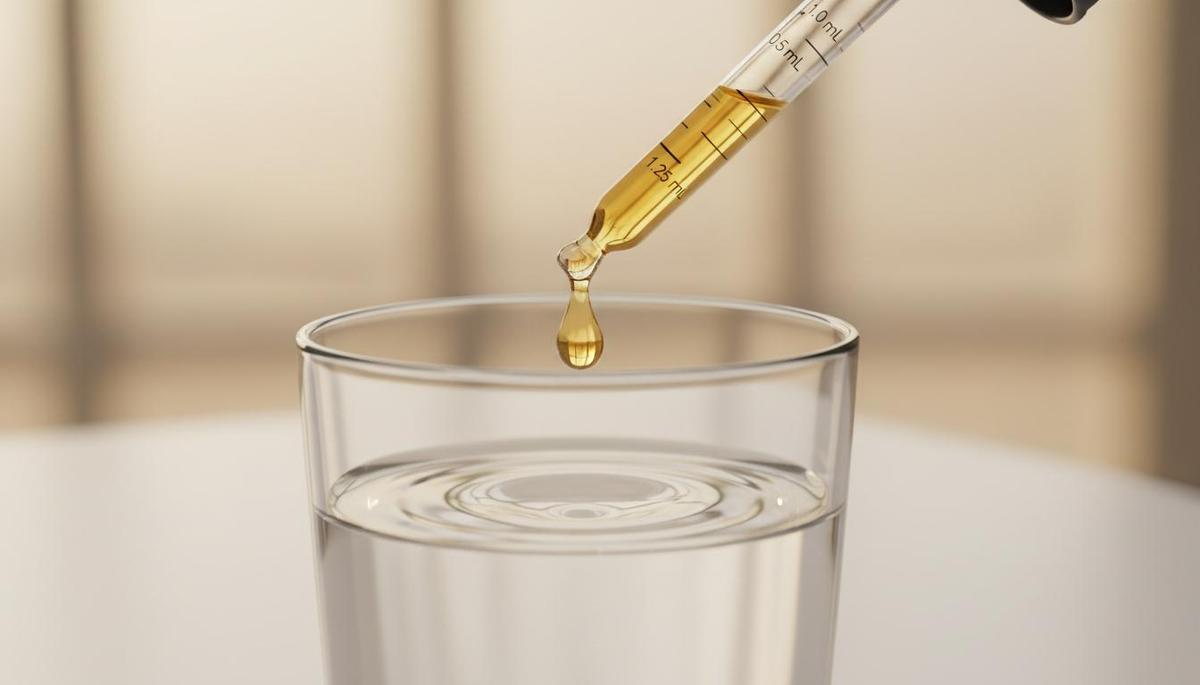
Onset: 5 to 15 minutes. Peak: 30 to 60 minutes. Duration: 2 to 4 hours. Tinctures held under the tongue absorb directly into the bloodstream through capillaries, providing rapid onset. However, many users inadvertently swallow some tincture, creating an edible-like experience alongside the sublingual effects.
Signs That Your THC Drink Is Kicking In
Rather than anxiously wondering whether effects have started, look for these common early indicators: your shoulders and jaw unconsciously relaxing; a subtle but genuine smile appearing for no specific reason; music sounding richer, more detailed, or more emotionally moving; food aromas becoming more vivid and appealing; a mild sense of time slowing down; increased tendency to laugh; warm, comfortable sensation spreading through your body; and slightly enhanced appreciation of colors, textures, and visual details.
What If Nothing Happens?
If 90 minutes pass and you feel absolutely no effects, several factors could be at play. You may have a naturally high tolerance or fast metabolism that processes THC efficiently. The product may be old or improperly stored, leading to THC degradation. Some individuals have genetic variations in liver enzymes that make oral THC less effective. Certain medications can interfere with THC metabolism. If you feel nothing after 90 minutes, you can try a small additional dose (half your original amount), but avoid doubling your dose. Wait another 90 minutes before making any further adjustments.
Conclusion
THC drinks typically begin producing noticeable effects within 15 to 30 minutes, reach peak intensity at 90 minutes to 2 hours, and gradually decline over the following 3 to 4 hours. This timeline makes them faster-acting than traditional edibles while providing longer-lasting effects than smoking. Individual factors including metabolism, stomach contents, product quality, and personal biochemistry create variation in this timeline, but the general pattern holds true for most consumers. Understanding and respecting this timeline allows you to plan your experiences effectively, avoid overconsumption, and achieve the optimal effects you're seeking from THC beverages.