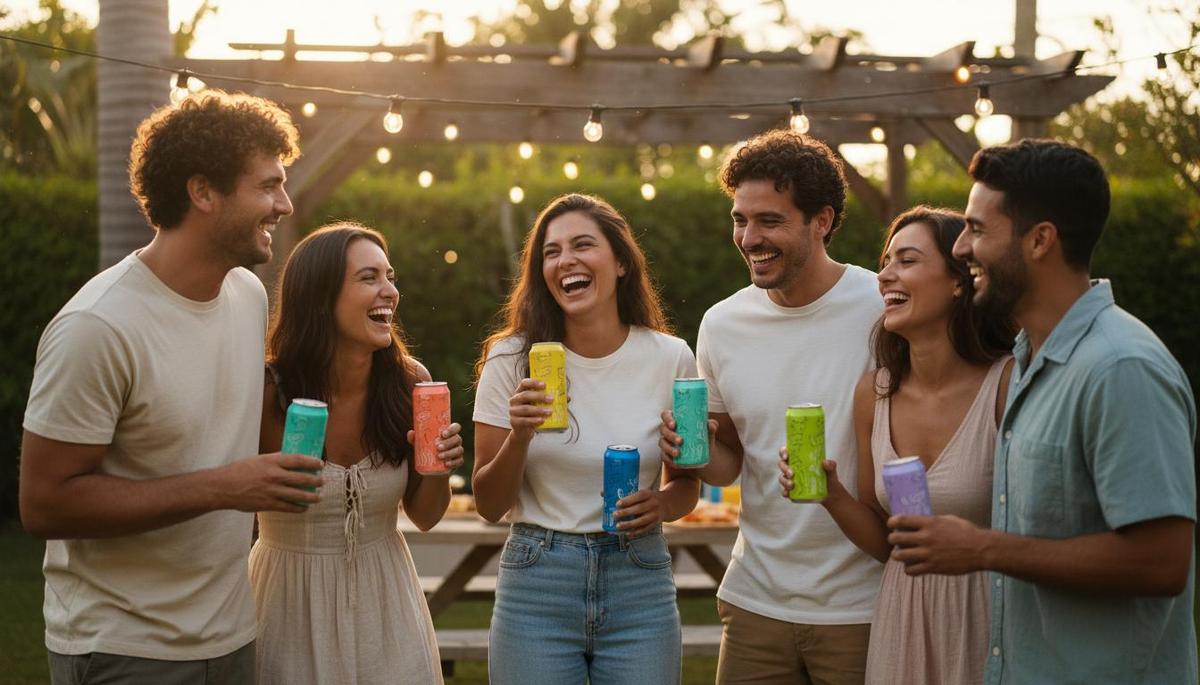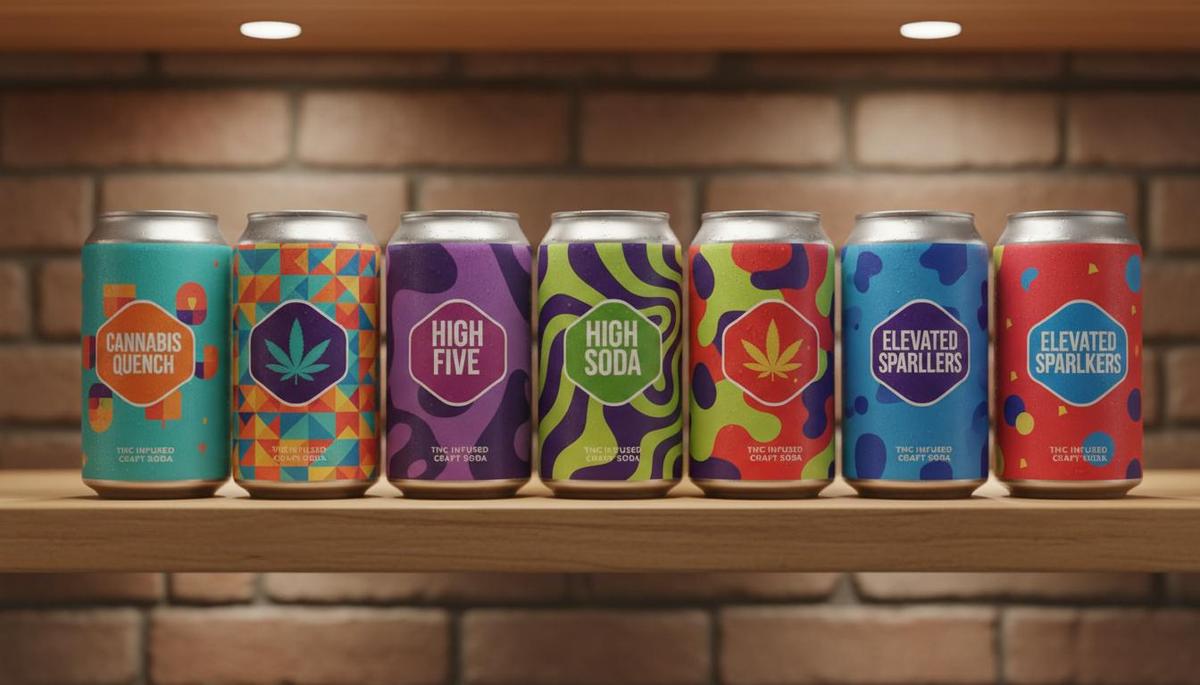
The THC beverage industry in 2026 is barely recognizable from five years ago. Products have evolved from crude, oily concoctions to sophisticated beverages rivaling craft cocktails. Distribution has expanded from a handful of dispensaries to mainstream retail channels. Consumer demographics have broadened from stereotypical stoners to mainstream adults of all ages. This rapid evolution shows no signs of slowing. This comprehensive trend analysis examines where the industry is heading, what innovations are emerging, and what consumers can expect in the coming years.
Trend 1: Mainstream Retail Penetration
The most significant trend is THC beverages moving from specialty cannabis retailers to mainstream channels. PBR High Seltzers are available in gas stations and liquor stores across 30+ states. Major grocery chains are beginning to stock hemp-derived THC products. Online sales have exploded with direct-to-consumer brands. This mainstream penetration is normalizing THC beverages and introducing them to consumers who would never enter a dispensary.
Trend 2: Major Beverage Company Entry
Big Alcohol and Big Beverage are investing heavily: Constellation Brands (Corona) invested $4 billion in Canopy Growth; Molson Coors launched cannabis beverage partnerships; Coca-Cola has filed patents for cannabis-infused beverages; PBR launched High Seltzer to national distribution; and Anheuser-Busch has explored cannabis partnerships. This corporate involvement brings production expertise, distribution networks, and marketing budgets that will accelerate market growth.
Trend 3: Functional Formulations
Beyond simple THC delivery, brands are adding functional ingredients: adaptogens (ashwagandha, rhodiola) for stress management; nootropics for cognitive enhancement; electrolytes for hydration; vitamins and minerals for nutritional support; botanicals for targeted effects; and melatonin or CBN for sleep support. These "functional cannabis" products position THC beverages as wellness products rather than purely recreational substances.
Trend 4: Ultra-Low Dose and Microdose Products
The trend toward lower doses continues: CANN's 2mg established the microdose category; 1mg and even 0.5mg products are emerging; "sessionable" consumption (multiple drinks over an evening) is increasingly popular; and consumers are discovering that less is often more. This trend makes THC beverages accessible to a broader audience and supports social consumption patterns similar to alcohol.
Trend 5: Sophistication and Premiumization
The market is segmenting into quality tiers: budget products ($5-6) for everyday consumption; mid-tier ($7-9) for regular quality; premium ($10-15) for special occasions; and ultra-premium ($15-25+) positioning as craft/luxury. Artet aperitif represents the luxury end. This premiumization mirrors the evolution of craft beer, specialty coffee, and premium spirits.
Trend 6: Terpene-Enhanced Products
As consumers become more educated, terpene content is becoming a selling point. Brands now highlight specific terpene profiles; "sativa" and "indica" effects are being linked to terpene content; and consumers are learning to identify their preferred terpene combinations. This education is elevating consumer sophistication and product differentiation.
Trend 7: Regulatory Clarity (Slowly)
Regulatory evolution continues: states are developing specific frameworks for hemp-derived cannabinoids; FDA is slowly moving toward a regulatory structure; federal legalization remains possible though timeline uncertain; and state-by-state legalization continues expanding. Clarity will unlock further investment and innovation.
Trend 8: Technology Integration
Technology is entering the space: rapid-onset formulations (claiming effects in 5-10 minutes); extended-release technology for longer duration; improved nano-emulsification for better bioavailability; smart packaging with dosing information via NFC; and apps for tracking consumption and effects. These innovations improve consumer experience and product differentiation.
Trend 9: Diverse Demographics
The consumer base is broadening dramatically: 55+ consumers are the fastest-growing demographic; women now represent nearly half of THC beverage consumers; former alcohol drinkers are switching in large numbers; and health-conscious fitness enthusiasts are embracing zero-calorie options. This demographic expansion drives product diversity and mainstream acceptance.
Trend 10: International Expansion
While the US leads in THC beverage innovation, other markets are emerging: Canada has legal federal cannabis with growing beverage market; Mexico is developing regulations post-legalization; European CBD markets may expand to include THC; and several countries are considering cannabis reform. International markets represent enormous long-term growth potential.
Predictions for 2027-2028
Looking ahead: federal legislation providing clearer hemp-derived THC regulations; Coca-Cola or Pepsi entering the market with major product launches; THC beverages achieving 5%+ market share of total beverage alcohol market; cocktail culture fully embracing THC with dedicated menus at trendy bars; and true " sessionable" low-dose products becoming the dominant format.
Conclusion
The THC beverage industry in 2026 is a dynamic, rapidly evolving space defined by mainstream acceptance, corporate investment, product innovation, and regulatory development. The trends all point in the same direction: cannabis beverages are becoming a permanent, significant segment of the adult beverage market. For consumers, this means more choices, better products, lower prices, and greater accessibility. The future of drinking includes THC, and that future is arriving faster than most predicted.