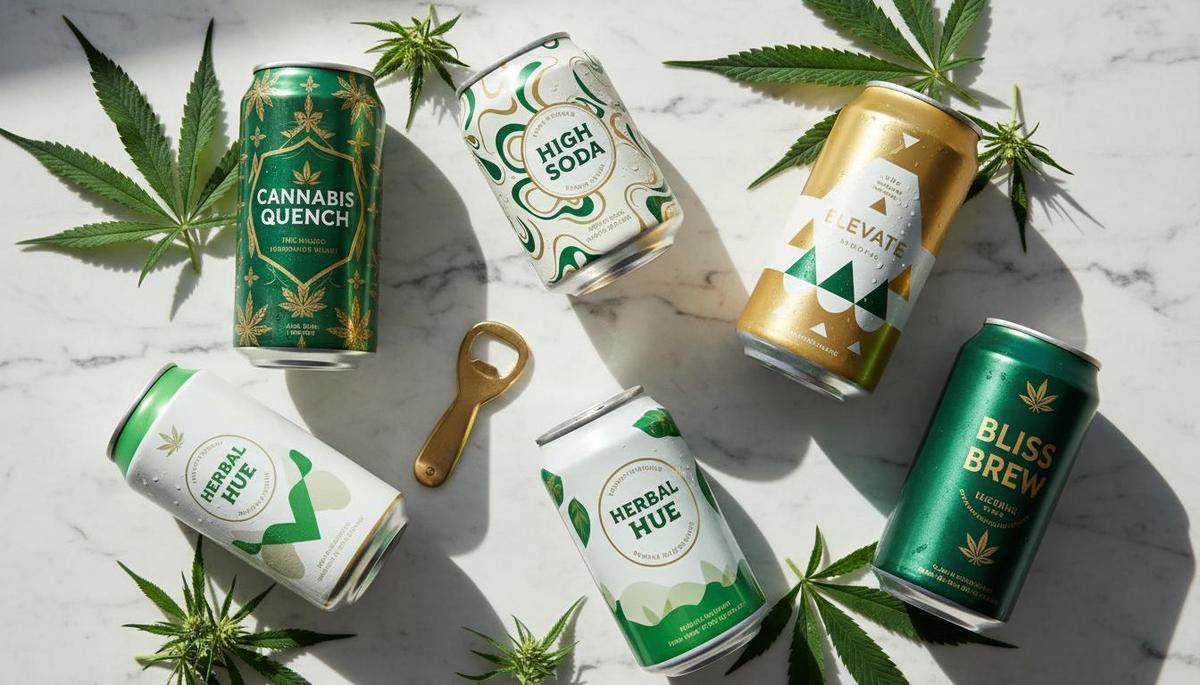
One of the most significant trends in the beverage industry is the growing number of consumers replacing alcohol with THC drinks. Whether motivated by health concerns, hangover avoidance, calorie counting, or simply curiosity, millions of people are exploring cannabis beverages as an alternative to beer, wine, and cocktails. This comprehensive comparison examines how THC beverages and alcohol stack up across health effects, social experiences, next-day impacts, safety, cost, and every other dimension that matters to consumers making this lifestyle choice.
Health Impact Comparison
Physical Health
Alcohol is a toxic substance that damages virtually every organ system in the body with regular use. It causes liver disease (fatty liver, hepatitis, cirrhosis), increases cancer risk (mouth, throat, esophageal, liver, breast, colon), damages the brain and nervous system, weakens the immune system, harms the digestive system, and contributes to cardiovascular disease. The CDC identifies alcohol as a leading preventable cause of death in the United States.
THC, by contrast, has no known lethal dose and does not cause organ damage with moderate use. It does not significantly increase cancer risk (some studies suggest possible protective effects against certain cancers, though research is ongoing). THC does not damage the liver, brain, or other organs at typical consumption levels. The primary health risks involve temporary cognitive effects during intoxication and potential psychological dependence with heavy daily use. When comparing physical health impacts, THC beverages are dramatically safer than alcohol.
Mental Health
Alcohol is a depressant that worsens anxiety and depression over time despite temporary relief during intoxication. It disrupts sleep architecture, reduces REM sleep, and contributes to insomnia. Regular use is associated with increased risk of mental health disorders.
THC has a more complex relationship with mental health. Low to moderate doses often reduce anxiety and improve mood. Some consumers report lasting improvements in anxiety, PTSD symptoms, and depression when using cannabis responsibly. However, high doses can trigger anxiety or paranoia in susceptible individuals, and heavy daily use may exacerbate underlying mental health conditions in some people. The relationship between THC and mental health is dose-dependent and highly individual.
Calories and Weight Management
Alcoholic beverages are calorie-dense. A standard beer contains 150 calories, a glass of wine 120 calories, and cocktails can exceed 300 calories. These calories are "empty," providing no nutritional value. Regular drinking significantly contributes to weight gain. THC seltzers contain zero calories. Even sweetened THC sodas typically have fewer calories than alcoholic alternatives. For consumers watching their weight, THC beverages offer substantial advantages.
Intoxication Experience
Alcohol Effects
Alcohol produces progressive stages of impairment: initial relaxation and lowered inhibitions, followed by impaired judgment and coordination, slurred speech, emotional volatility, memory blackouts, nausea and vomiting, and eventually loss of consciousness at high doses. Intoxication often leads to poor decision-making, risky behavior, and embarrassing social situations. Aggression and violence are associated with heavy alcohol consumption.
THC Effects
THC at moderate doses produces relaxation, euphoria, enhanced sensory perception, creativity, and sociability. Unlike alcohol, it does not typically cause aggression, violence, or severe emotional volatility. Users remain aware of their state and generally don't experience memory blackouts at moderate doses. Decision-making may be impaired but not to the extent seen with alcohol intoxication. The experience tends to be more introspective and peaceful rather than disinhibited and chaotic.
Next-Day Effects
Hangovers
Alcohol hangovers are notoriously miserable, involving headache, nausea, dehydration, fatigue, sensitivity to light and sound, cognitive impairment, and anxiety (often called "hangxiety"). Hangovers can last 24 to 48 hours and significantly impact work performance and daily functioning.
THC beverages do not produce hangovers. The next day, most users feel normal or may experience a mild afterglow of relaxation. No headache, no nausea, no dehydration, no hangxiety. Some very high-dose consumers report slight grogginess the following morning, but this resolves quickly and pales in comparison to alcohol hangovers. The absence of hangovers is one of the most commonly cited reasons for switching from alcohol to THC beverages.
Safety and Risk Profile
Overdose Risk
Alcohol overdose (alcohol poisoning) kills thousands of Americans annually. The lethal dose is relatively close to the intoxicating dose, making accidental fatal overdose a real risk, particularly for inexperienced drinkers. THC has no known fatal overdose level. Even massive doses are not lethal, though they can cause temporary extreme discomfort. This massive safety margin makes THC beverages far less dangerous than alcohol.
Addiction Potential
Alcohol is highly addictive, with approximately 15 million Americans meeting criteria for alcohol use disorder. Withdrawal can be life-threatening, causing seizures and delirium tremens in severe cases. THC dependence develops in a minority of heavy daily users (estimated 9% of those who use cannabis regularly). Withdrawal is mild, involving temporary irritability and sleep disruption. The addiction potential comparison strongly favors THC beverages.
Impaired Driving
Both substances impair driving ability and should never be used before operating vehicles. Alcohol impairment is well-studied, with clear legal limits (0.08% BAC) and established testing methods. THC impairment is more complex to measure, with no universally accepted legal impairment threshold. DUI laws apply to both substances. Never drive after consuming either.
Social Experience
Social Lubrication
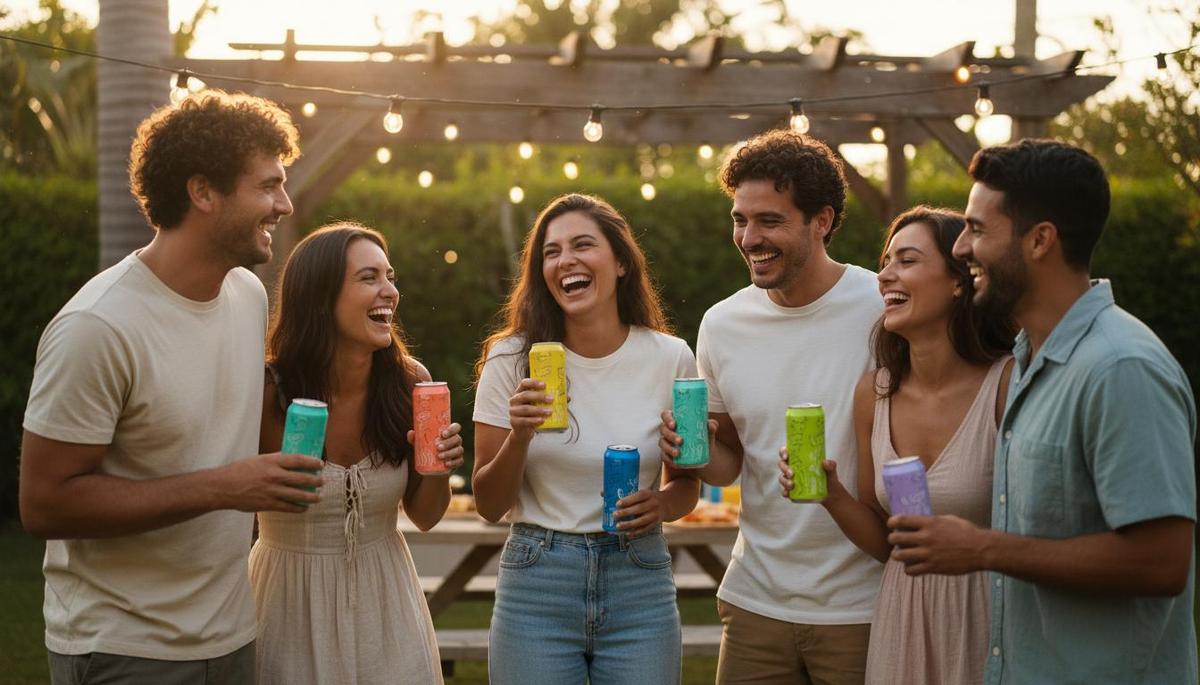
Both substances function as social lubricants that reduce inhibitions and enhance social experiences. Alcohol tends to produce more extroverted, energetic, and sometimes rowdy social behavior. THC tends to produce more relaxed, present, and conversationally engaged social behavior. Both can enhance gatherings, parties, and social bonding. Personal preference and the specific social context determine which is more appropriate.
Social Acceptance
Alcohol maintains broad social acceptance across virtually all demographics and settings. THC beverages, while rapidly gaining acceptance, still face stigma in some social and professional circles. However, this gap is closing quickly as cannabis normalization continues. In progressive urban environments, THC drinks are now as socially acceptable as craft beer.
Cost Comparison
A night of drinking at bars or restaurants typically costs $40 to $100+ depending on location and consumption level. Home consumption of alcohol is cheaper but still adds up. Premium THC beverages cost $8 to $12 per can, comparable to craft cocktails or premium wine by the glass. However, because THC doesn't require repeated dosing to maintain effects the way alcohol does, the total cost for an evening's experience is often lower. One or two THC drinks provide several hours of effects, while maintaining a similar-duration alcohol buzz requires continuous drinking.
Sleep Impact
Alcohol initially helps people fall asleep faster but severely disrupts sleep quality. It suppresses REM sleep (the restorative dreaming phase), causes frequent nighttime awakenings, and leads to non-restorative sleep that leaves people feeling tired despite sleeping through the night. THC generally helps people fall asleep faster and may increase total sleep time in the short term. However, regular THC use can also suppress REM sleep with prolonged daily use. For occasional use, THC appears less disruptive to sleep architecture than alcohol. Neither substance is ideal for nightly sleep support, but THC is arguably less harmful for occasional sleep assistance.
Product Variety
Alcohol offers thousands of years of product development, resulting in incredible diversity: beer styles, wine varietals, spirits, cocktails, and more. THC beverages represent a newer category with less diversity but rapid innovation. Current offerings include sodas, seltzers, tonics, teas, coffees, and mocktails. As the market matures, expect product variety to expand dramatically. The experiential sophistication gap between alcohol and THC beverages is narrowing quickly.
Making the Switch
For consumers considering replacing alcohol with THC beverages, a gradual transition works best. Start by substituting THC drinks for alcohol in low-pressure situations like quiet evenings at home. Experiment with different products and doses to find your preferences. Don't expect identical effects, THC produces a different (and for many, superior) experience. Keep alcohol available during the transition period without pressuring yourself to completely abstain immediately. Many successful switchers eventually reduce alcohol to rare occasions or eliminate it entirely, but a gradual approach typically produces more sustainable results than abrupt abstinence.
Conclusion
When compared across health impact, safety, next-day effects, addiction potential, and overall risk profile, THC beverages present a compelling alternative to alcohol. They offer similar social and experiential benefits with dramatically fewer negative consequences. The trend of consumers replacing alcohol with THC drinks reflects rational decision-making based on these comparative advantages. However, THC is not without its own risks and considerations, and responsible consumption remains essential. For many adults, THC beverages represent a healthier, more sustainable way to unwind, socialize, and enhance leisure time than the alcohol that has dominated adult recreational substances for centuries.