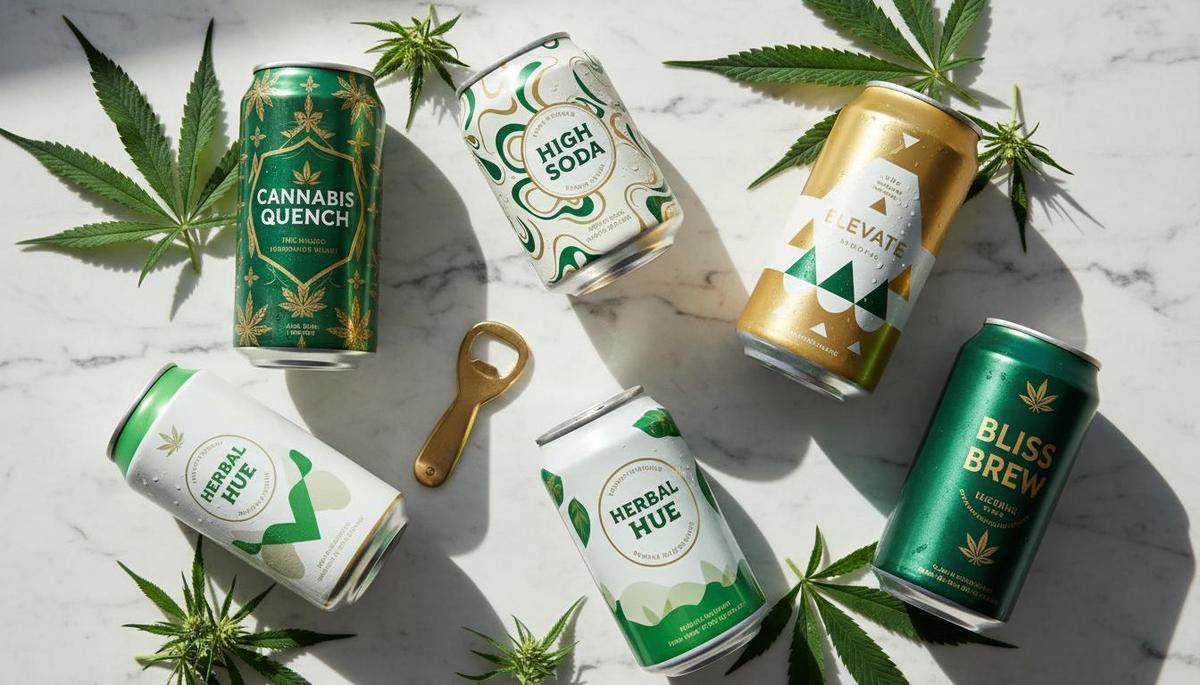
Like all packaged beverages, THC sodas come with dates printed on their labels. But these dates represent more than just spoilage warnings, they indicate the window during which the product maintains optimal potency, flavor, and quality. Understanding how THC beverages age, what happens to potency over time, and how to interpret expiration dates helps you maximize your investment and ensures consistent experiences. This guide examines the science of THC beverage shelf life and provides practical guidance for managing your cannabis drink inventory.
Types of Dates on THC Beverage Labels
Best By Date
The most common dating format is "Best By [date]," which indicates when the manufacturer believes the product will be at peak quality. This is not a safety expiration. Consuming a THC soda after its best-by date does not pose a health risk in the way that consuming expired dairy or meat might. However, potency, flavor, carbonation, and overall experience quality may decline after this date.
Manufacture Date
Some labels display a "Manufactured On" or "Packaged On" date rather than a best-by date. This tells you exactly when the product was produced, allowing you to calculate freshness yourself. Most manufacturers recommend consuming within 6 to 12 months of manufacture for optimal quality.
Batch Numbers
Batch or lot numbers identify exactly when and where a product was made. These numbers are primarily for quality control and recall purposes, but you can sometimes contact manufacturers with a batch number to learn the production date if it's not otherwise displayed.
How THC Degrades Over Time
THC degradation is a gradual chemical process driven primarily by light, heat, oxygen, and time. Understanding this process helps explain why proper storage matters and what to expect from older products.
The Degradation Pathway
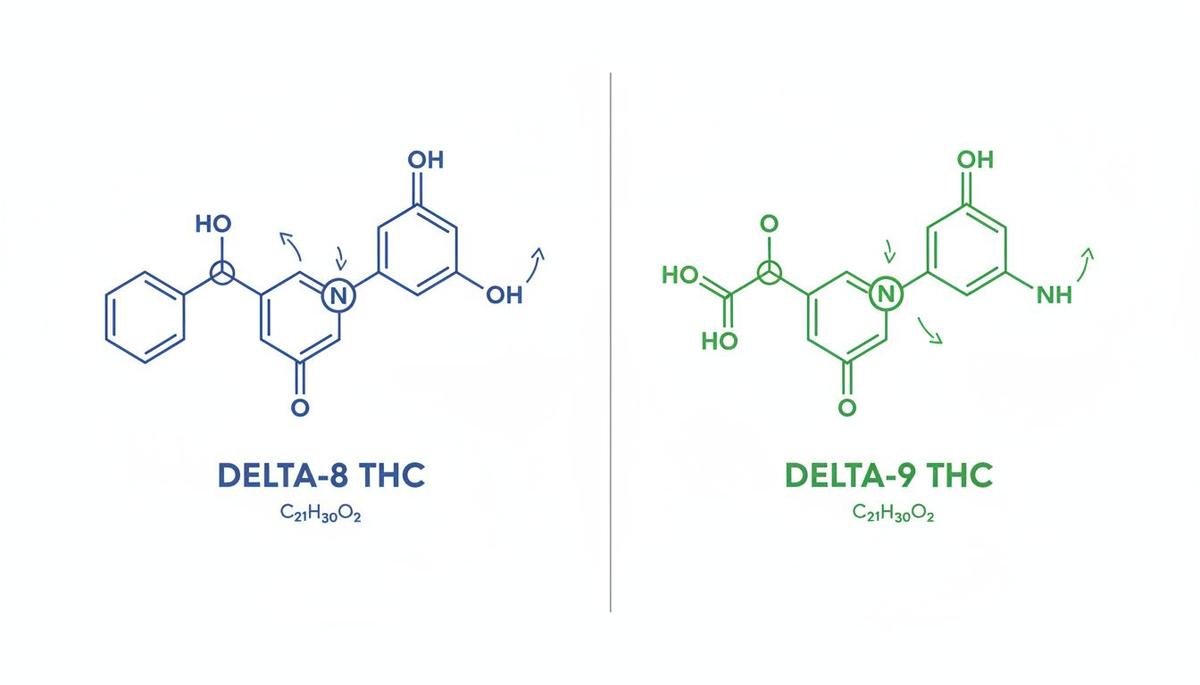
THC degrades through oxidation and isomerization into other cannabinoids, primarily CBN (cannabinol) and delta-8-THC. CBN has mild sedating effects but is significantly less psychoactive than delta-9-THC. This means an old THC soda won't become dangerous, but it will become less potent and potentially more sleep-inducing. Degradation follows a roughly exponential curve, slow at first when the product is fresh, then accelerating as more THC molecules are converted.
Degradation Rates Under Different Conditions
Under ideal refrigerated storage (35-40°F, darkness), THC degrades at approximately 5-10% per year. In cool pantry storage (60-70°F, darkness), expect 15-25% annual degradation. At room temperature with light exposure (70-75°F, indirect light), degradation reaches 30-40% per year. In hot conditions (above 80°F), THC can degrade by 50% or more within months. These rates vary based on packaging quality, emulsion stability, and specific formulation.
What Happens to an Expired THC Soda
Reduced Potency
The primary and most noticeable change in an aged THC soda is reduced potency. A 10mg soda that has lost 20% of its THC now effectively delivers only 8mg. For experienced consumers with precise dosing routines, this unpredictability is frustrating. For new consumers, accidentally consuming a higher-than-intended dose because they had to drink more to feel effects creates obvious problems.
Flavor Deterioration
Beyond THC degradation, beverage ingredients degrade over time. Natural flavors lose their vibrancy and complexity. Carbonation escapes, resulting in a flat, less refreshing drink. Acids and sweeteners may undergo subtle chemical changes that alter taste. Artificial sweeteners in diet formulations can develop off-flavors after extended storage. The result is a beverage that tastes stale, dull, or slightly off compared to a fresh product.
Physical Changes
Over time, nano-emulsions can destabilize, causing separation or cloudiness that wasn't present in the fresh product. While a slightly separated emulsion isn't dangerous, it indicates declining quality and potentially uneven THC distribution. Sediment may form at the bottom of bottles. Carbonated products may lose their fizz entirely.
How Long Do THC Sodas Actually Last?
Unopened Products
Under ideal refrigerated storage, unopened THC sodas maintain near-original potency for 6 to 12 months. They remain safe to consume for up to 18 months but with noticeably reduced effects. After 2 years, even refrigerated products may have lost 30-50% of their original THC content. In cool, dark pantry storage, expect 3 to 6 months of near-original potency. Poor storage (heat, light) can degrade products within weeks.
Opened Products
Once opened, THC beverages begin oxidizing immediately. Refrigerated opened products maintain reasonable quality for 24 to 48 hours. After 3 to 5 days, noticeable potency loss, carbonation loss, and flavor degradation occur. Opened beverages left at room temperature degrade significantly within hours. When possible, consume THC beverages entirely once opened.
Managing Your THC Beverage Inventory
First In, First Out (FIFO)
Adopt the FIFO principle used by restaurants and retailers: consume your oldest products first and place new purchases behind existing inventory. This simple habit prevents products from sitting so long they degrade. When restocking, note the manufacture date and plan to consume within the recommended window.
Buy What You'll Consume
Resist bulk buying unless you consume THC beverages regularly enough to work through your inventory before degradation. A variety pack of 12 cans with a 6-month best-by date requires consuming 2 cans per month to finish in time. If you only enjoy THC drinks occasionally, buy singles or small packs rather than large quantities.
Check Dates Before Buying
At dispensaries and retailers, check manufacture or best-by dates before purchasing. Some stores carry products that have been sitting on shelves for months. Choose the freshest options available. If dates aren't visible, ask staff. If they don't know, consider shopping elsewhere. Quality retailers track and rotate inventory carefully.
Rotate Your Home Storage
Periodically check your home inventory and move older products to the front for immediate consumption. Note any products approaching their best-by dates and prioritize finishing them. Consider marking purchase dates on products with a marker if the manufacture date isn't clearly displayed.
When to Discard a THC Beverage
Discard a THC beverage if you observe: visible mold, unusual cloudiness in a previously clear product, off-putting smell, compromised packaging (bulging, leaking, damaged seals), or sediment that doesn't match the product's normal appearance. When a product is well past its best-by date (more than 6 months), potency may be too low to justify consumption. Trust your senses. If something seems wrong with a product, don't drink it. THC beverages aren't expensive enough to risk your health over a $10 can.
Maximizing Shelf Life
To maximize your THC soda shelf life: refrigerate immediately upon purchase; store in original packaging which is designed for product protection; keep away from light, heat, and humidity; consume opened products within 24 hours; don't stockpile more than you can consume within 3 to 6 months; and buy from retailers with high turnover who stock fresh products. These simple practices ensure every THC beverage you open delivers the experience you paid for.
Conclusion
THC sodas don't "expire" in the traditional food safety sense, but they do degrade in potency, flavor, and quality over time. Proper storage can extend their useful life significantly, but no storage method prevents eventual degradation. The key takeaways are simple: refrigerate when possible, consume oldest products first, finish opened containers quickly, and don't bulk-buy more than you'll realistically consume within a few months. By managing your THC beverage inventory thoughtfully, you ensure that every drink delivers the full potency and experience the manufacturer intended.