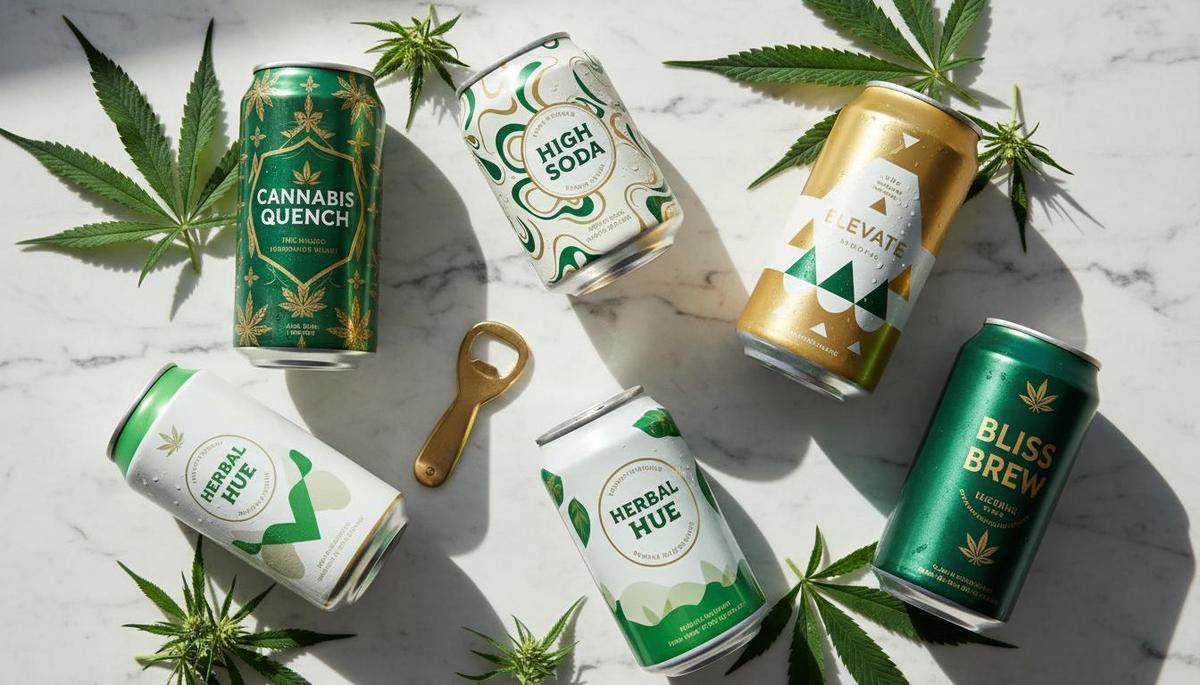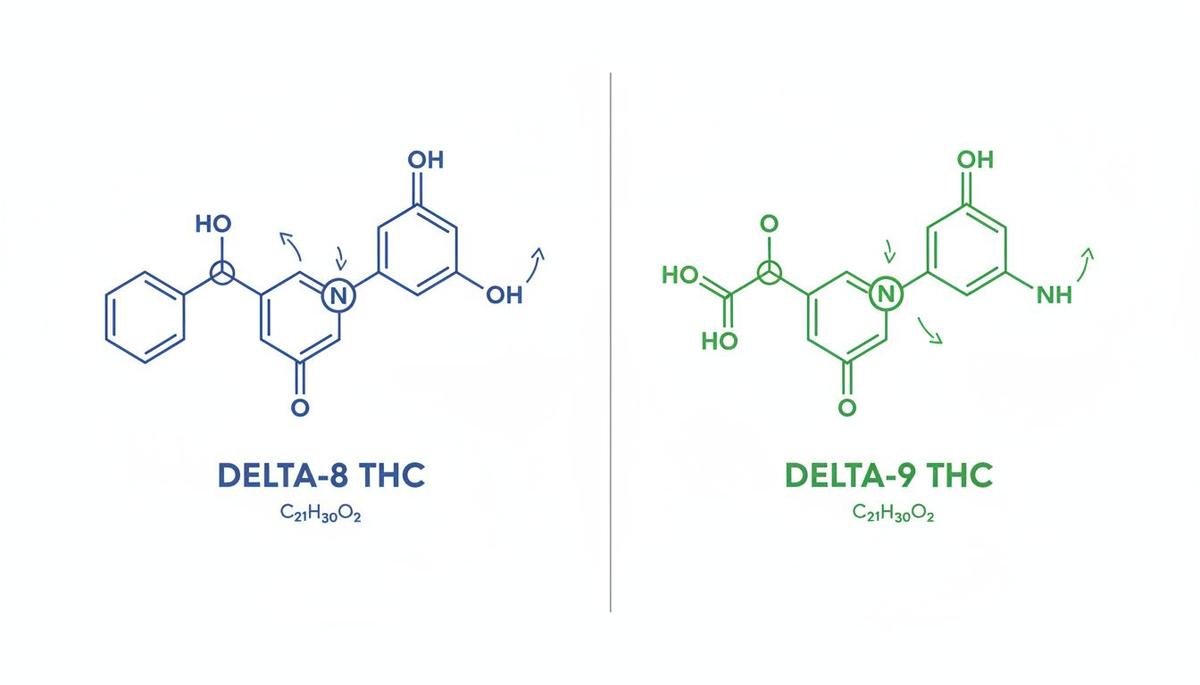
While both THC sodas and traditional edibles like brownies, gummies, and chocolates deliver cannabis through ingestion rather than inhalation, they create fundamentally different experiences due to key differences in formulation, absorption, and metabolism. As THC beverages continue gaining market share, an increasing number of cannabis consumers are making the switch from edibles to drinks. This comprehensive analysis examines every significant difference between these two popular consumption methods.
Absorption: The Critical Difference
The most significant distinction between THC sodas and edibles lies in how your body absorbs the active compounds. Traditional edibles contain THC infused into fats or oils, typically butter or coconut oil, which must be fully digested in your stomach and intestines before the THC can enter your bloodstream. This digestive process takes considerable time, which explains why edibles typically require 45 to 90 minutes before effects become noticeable.
THC sodas utilize nano-emulsification technology that breaks THC molecules into particles small enough to be absorbed through the mucous membranes in your mouth, throat, and esophagus. This means absorption begins the moment you take your first sip, long before the liquid reaches your stomach. While some THC from beverages still undergoes digestive processing, the initial mucosal absorption creates a faster, more efficient pathway into your bloodstream. This dual absorption mechanism is why THC drinks typically take effect within 15 to 30 minutes, roughly half the onset time of traditional edibles.
Consistency and Precision
THC sodas manufactured by reputable companies offer significantly more consistent dosing than homemade edibles and even many commercially produced edible products. Advanced nano-emulsification ensures that THC particles are evenly distributed throughout the beverage, meaning the first sip contains the same concentration as the last. This homogeneity allows for precise partial dosing, you can confidently drink exactly half a 10mg can and know you're consuming 5mg.
Traditional edibles, particularly homemade products, often suffer from uneven THC distribution. A batch of brownies might have hot spots where THC concentrated during mixing, meaning one piece could contain significantly more or less THC than an identical-looking piece from the same batch. Even commercial edibles can have minor inconsistencies in THC distribution within the product matrix. This variability makes precise dosing more challenging and increases the risk of accidentally consuming more THC than intended.
Onset Time Comparison
THC sodas begin producing effects within 15 to 30 minutes for most users, with some people reporting initial sensations as early as 10 minutes after consumption. This rapid onset is one of the primary reasons consumers prefer beverages to edibles. The quick feedback allows you to gauge your experience in real-time and make informed decisions about whether to consume more.
Traditional edibles typically require 45 to 90 minutes before effects become noticeable, with some users waiting up to 2 hours, especially after a large meal. This delayed onset creates the most common edible consumption mistake: taking a second dose because the first one hasn't kicked in yet, only to be overwhelmed when both doses finally take effect simultaneously. The faster onset of THC sodas virtually eliminates this problem.
Duration of Effects
Both THC sodas and traditional edibles produce longer-lasting effects compared to smoking or vaping, but edibles generally have a slight edge in duration. Traditional edibles typically produce noticeable effects for 4 to 8 hours, with residual effects sometimes lingering into the following day for very high doses. This extended duration is due to the slow digestive process gradually releasing THC into your system over time.
THC sodas generally produce effects lasting 3 to 6 hours, with the duration depending on dose, individual metabolism, and product formulation. While slightly shorter than traditional edibles, this duration is still substantially longer than the 1 to 3 hours typical of inhaled cannabis. For most consumers, the 3 to 6-hour duration of THC beverages represents an ideal balance, long enough to be satisfying without requiring an entire day of commitment.
Intensity and Quality of Effects
Many users report that THC sodas produce a smoother, more gradual high compared to edibles. The stepped absorption from oral mucosa followed by digestion creates a ramping effect that feels more controlled and predictable. Edibles, by contrast, sometimes produce a sudden wave of intensity when digestion finally releases a large amount of THC into the bloodstream simultaneously.
Traditional edibles are notorious for producing more intense, sometimes overwhelming effects compared to other consumption methods. This is partly because the liver converts THC into 11-hydroxy-THC, which is more potent and crosses the blood-brain barrier more efficiently. With edibles, virtually 100% of consumed THC passes through the liver, maximizing this conversion. THC beverages, with their partial oral absorption, may result in slightly less total 11-hydroxy-THC production, contributing to their reputation for mellower effects.
Caloric and Nutritional Content
For health-conscious consumers, THC sodas often offer significant advantages over traditional edibles. A typical THC seltzer contains zero calories, zero sugar, and zero carbohydrates, making it compatible with virtually any dietary regimen including keto, paleo, and low-sugar diets. Even THC sodas made with real sugar typically contain fewer calories than a brownie, cookie, or chocolate edible delivering an equivalent THC dose.
Traditional edibles are often dessert items by nature: brownies, cookies, chocolates, and gummies. A single potent edible brownie can contain 300 to 500 calories, 20 to 30 grams of sugar, and 15 to 25 grams of fat. For regular cannabis consumers, these calories add up quickly and can conflict with fitness and nutrition goals. THC beverages provide the same desired effects without the dietary impact.
Taste and Enjoyment
THC sodas are formulated specifically as beverages first and cannabis products second. Leading brands employ beverage industry professionals to create genuinely delicious drinks that stand on their own merits regardless of THC content. The flavor profiles are sophisticated, ranging from classic cola and root beer to craft formulations featuring real fruit juices, botanical extracts, and premium natural flavorings.
Traditional edibles vary widely in taste quality. Some artisanal producers create genuinely delicious gourmet chocolates and baked goods, but many commercial edibles have a noticeable cannabis flavor that some find unpleasant. The plant's earthy, sometimes bitter taste can be challenging to mask effectively, particularly in gummies and hard candies. THC beverages generally do a better job of completely eliminating any cannabis taste.
Social and Lifestyle Factors
THC sodas fit seamlessly into social situations in ways that edibles cannot. Cracking open a cold can of THC seltzer at a party parallels the social ritual of drinking a beer, creating natural, comfortable integration with social gatherings. The beverage format is familiar, casual, and doesn't require explanation or draw attention.
Eating a cannabis brownie or gummy, by contrast, can feel more conspicuous and less socially elegant. The dessert format also doesn't align with many social situations. You wouldn't typically eat a brownie at a summer barbecue or during a hike, but you would drink a soda or seltzer in those contexts. The beverage format simply offers more versatility across life situations.
Portability and Convenience
THC sodas in aluminum cans are extremely portable, durable, and convenient. They don't melt in heat like chocolate edibles, they don't crumble like cookies or brownies, and they don't get sticky like gummies. A can of THC soda can go anywhere a regular soft drink can go: the beach, a hike, a concert, a camping trip, or a backyard barbecue. The familiar format also raises fewer questions if seen by others.
Cost Comparison
Pricing varies significantly by market, brand, and potency, but THC sodas and traditional edibles are generally competitive in cost per milligram of THC. A 10mg THC soda typically costs between $5 and $10 in legal markets, while a 10mg edible gummy or chocolate piece usually falls in the $3 to $8 range. Premium products in both categories can cost significantly more. Budget-conscious consumers may find slightly better value in edibles, while those prioritizing convenience, taste, and experience often find THC sodas worth any minor price premium.
When to Choose THC Soda
Choose THC beverages when you want faster onset and more predictable effects. When you're counting calories or following a specific diet. When you need discreet, socially appropriate consumption. When you prefer refreshing hydration over eating a sweet treat. When precise, flexible dosing is important to you. When you want a shorter commitment than traditional edibles provide. When you value portability and durability in your cannabis products.
When to Choose Traditional Edibles
Traditional edibles remain the better choice in certain situations. Choose edibles when you want the longest possible duration of effects. When you need very high single doses (50mg+) that would require drinking multiple beverages. When you simply enjoy the taste of quality cannabis chocolates or baked goods. When you want completely zero-calorie options (some gummies are very low calorie). When you need products that don't require refrigeration and have extended shelf stability.
Hybrid Approaches
Many experienced cannabis consumers use both THC beverages and traditional edibles strategically depending on the situation. They might enjoy a THC soda for a social gathering where quick onset and discretion are valuable, then choose an edible when planning a full day of relaxation at home where extended duration is desired. Understanding the unique properties of each format allows you to select the optimal consumption method for any given occasion.
Conclusion
THC sodas and traditional edibles both deliver cannabis through ingestion, but the similarities largely end there. THC beverages offer faster onset, more consistent dosing, fewer calories, greater social versatility, and a smoother, more controlled experience. Traditional edibles provide longer duration and can deliver higher single doses more economically. For most consumers, especially those new to cannabis or transitioning from smoking, THC sodas represent the superior entry point due to their predictability, convenience, and faster feedback loop. The explosive growth of the THC beverage market suggests that millions of consumers have already reached this conclusion, making drinks the fastest-growing segment in the entire cannabis industry.